
Late-Summer Livestock Care: Preparing for the Transition to Fall
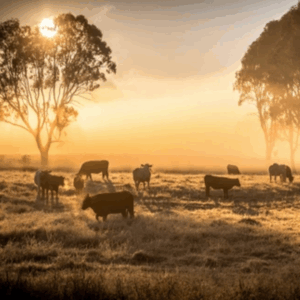 The time for late-summer livestock care has arrived and it’s time to begin preparing for the transition to fall.
As August arrives, the intense heat of summer begins to fade, but your livestock still face challenges. Late summer is a transitional period. Pastures often lose their nutritional value, and flies remain a nuisance. Taking action now ensures your animals enter the fall season in peak condition.
Evaluate Pasture Quality
By late summer, grass often becomes dry and fibrous. It loses the protein and energy content found in lush spring growth. Walk your pastures and assess the forage available. If the grass looks brown or sparse, your animals likely aren’t getting enough nutrition from grazing alone. You may need to supplement their diet with hay or grain to maintain their body weight. This is especially important for young animals and lactating mothers who have higher energy needs.
Manage Pests and Parasites
Flies and other parasites are still active in August. They cause stress and spread disease, which can lead to weight loss. Continue your fly control program until the first hard frost. Check your animals for signs of internal parasites as well. A late-summer deworming can help clear out the burden before winter arrives, helping your herd convert feed more efficiently.
Check Water Sources
Even as days get shorter, hydration remains critical. Algae growth can peak in late summer, turning troughs into unappealing or even toxic water sources. Clean your tanks regularly to encourage drinking. Abundant clean water aids digestion and helps animals regulate their body temperature during those final hot afternoons.
We Support Your Transition
Solon Feed Mill is ready to help you navigate the change of seasons. Whether you need a protein supplement to balance poor pastures or fly control products, we have the solutions. Visit our Solon or Fairfax locations to stock up on everything you need for a successful transition to fall.