
Cover Crops and Soil Health: A Guide for Local Farmers
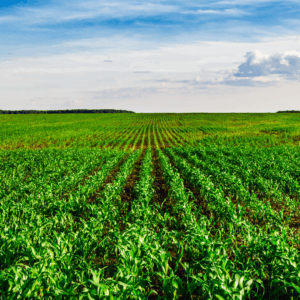 We’ve put together a great guider for you to learn about cover crops and soil health!
Healthy soil is the foundation of a successful farm. As a farmer, you know that protecting your soil is crucial for long-term productivity. One of the best ways to improve and preserve soil health is by planting cover crops. This practice offers numerous benefits for your fields, especially here in Iowa.
Why Plant Cover Crops?
Cover crops are planted to protect and enrich the soil rather than for harvest. They play a vital role in preventing soil erosion from wind and water, which is a major concern after the main harvest. By keeping the soil covered during the fall and winter, you hold valuable topsoil in place. This practice also helps suppress weeds, reducing the need for herbicides in the spring.
Improving Your Soil’s Structure
Cover crops do more than just protect the ground. Their root systems create channels in the soil, which improves its structure. This process increases water infiltration and reduces compaction. Healthier soil structure allows your primary crops to develop stronger roots and access more nutrients. Over time, cover crops also add organic matter to the soil as they decompose, boosting its fertility and ability to hold moisture.
Support for Sustainable Farming
At Solon Feed Mill, we support local farmers in their sustainable agriculture efforts. While we specialize in animal nutrition, we understand that healthy crops and healthy livestock go hand-in-hand. Implementing practices like cover cropping contributes to a more resilient and productive farm ecosystem. We are here to support every aspect of your farm’s success.